
 By Mustafizur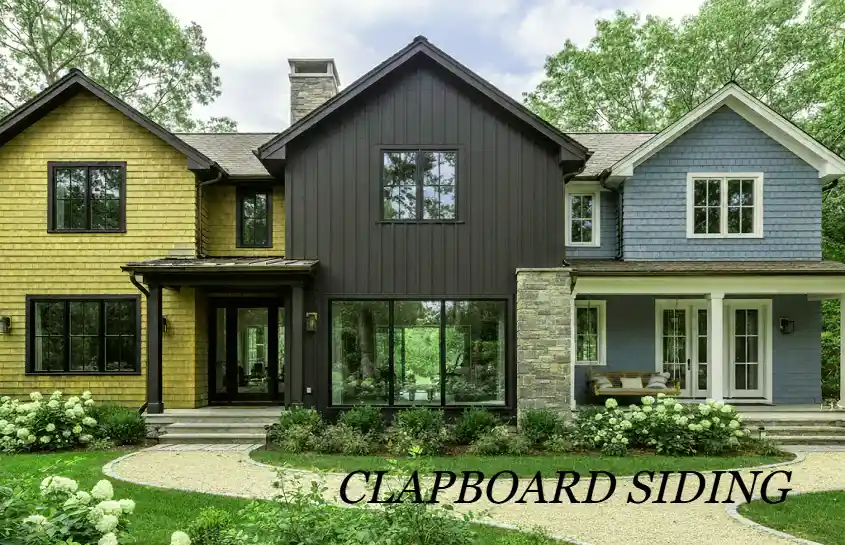
When you look at a house for the first time, something quietly shapes your opinion before you notice the front door or windows. It’s the exterior surface. The lines, the texture, and the way light hits the walls all work together. This is where clapboard siding continues to earn its place.
Even with modern materials everywhere, Clapboard Siding still feels familiar and dependable. It doesn’t chase trends too aggressively, yet it adapts easily to different architectural styles. Some homeowners choose it for tradition, others for flexibility, and many simply because it looks right once installed.
This article explores practical and creative wood clapboard siding ideas that can genuinely elevate your home’s exterior—not just in photos, but in real life.
Understanding Wood Clapboard Siding
Clapboard siding is straightforward. Boards are installed horizontally, each one overlapping the next. This helps water move away from the surface, which matters more than many homeowners realize.
What makes Clapboard Siding appealing is the depth it creates. Light hits it differently throughout the day. Morning shadows don’t look the same as evening ones, and that gives the exterior some life.
While traditional wood is common, some homeowners choose clapboard vinyl siding when they want the same look with fewer long-term responsibilities.
Why Wood Clapboard Siding Remains a Popular Choice
Wood feels familiar. It doesn’t feel manufactured in the same way many modern materials do. Even when painted, it still has character.
Many people choose cedar clapboard siding because cedar naturally resists moisture and insects. Over time, it changes color slowly, which some homeowners appreciate and others don’t. Both reactions are normal.
In real neighborhoods, wood clapboard often blends better with gardens, trees, and stone walkways.
Classic White Clapboard for Timeless Elegance
White clapboard siding has been used for generations, and it hasn’t lost its appeal. It’s clean, simple, and flexible.
Homes with white Clapboard Siding tend to look brighter, even on cloudy days. Dark trim or shutters can add contrast without making the house feel busy.
This style doesn’t demand attention. It earns it quietly.
Natural Cedar Clapboard for Warmth and Texture
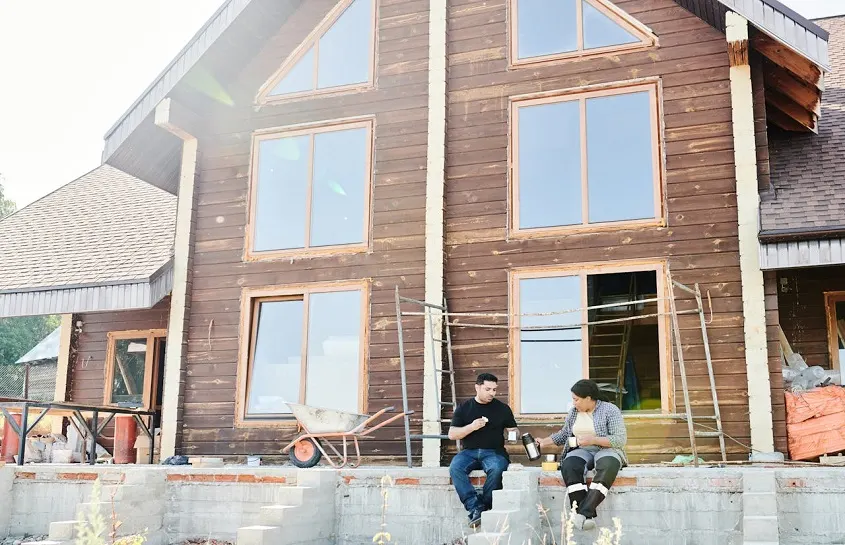
Some homeowners don’t want paint at all. They prefer materials that age naturally. That’s where cedar clapboard siding really stands out.
Cedar shows its grain and small imperfections. Over time, it softens into a muted tone that feels relaxed rather than worn.
Honestly, this is something people often appreciate only after a few years of living with it.
Painted Clapboard for Bold Personality
Paint opens up more options. A single color choice can change how a house feels without changing anything else.
Soft greens, light blues, and neutral grays are common. Darker shades feel stronger, but they’re not for everyone.
Painted Clapboard Siding works best when the color fits the surroundings instead of competing with them.
Mixing Materials for a Modern Edge
Using more than one exterior material adds depth. Clapboard pairs well with stone, brick, or even metal details.
For example, siding cedar clapboard on upper levels combined with stone near the ground often looks balanced. The home feels stable, not top-heavy.
This approach is common in custom builds, but it can work just as well for renovations.
Vertical Accents with Horizontal Clapboard
Clapboard is usually horizontal, but that doesn’t mean everything has to follow the same direction.
Vertical accents near entryways or gables break up long stretches of siding. They also draw the eye where it naturally wants to go.
Even homes finished with clapboard vinyl siding can use this technique effectively.
Coastal-Inspired Clapboard Siding Ideas
Clapboard siding feels natural in coastal settings. Light colors and simple details work well with open landscapes.
Cedar clapboard siding is often used near water because it handles humidity better than many woods. Soft whites and grays help reflect sunlight.
This style doesn’t need much decoration. Simplicity is part of its appeal.
Rustic Charm with Weathered Wood
Rustic homes benefit from siding that doesn’t look perfect. Weathered wood adds personality.
Some homeowners choose reclaimed Clapboard Siding with visible knots and aging. It feels lived-in, even if the home itself is new.
This look fits best in wooded or rural environments.
Modern Minimalist Clapboard Designs
Modern homes tend to focus on clean shapes and limited detail. Clapboard can still work in these designs.
Smooth finishes and neutral tones keep things calm. In these cases, clapboard vinyl siding is often chosen for consistency.
Less texture doesn’t mean less style.
Dark Clapboard for Dramatic Impact
Dark exteriors are becoming more common. Deep blue, charcoal, and black create a strong presence.
Dark siding cedar clapboard highlights shadows and architectural lines. Lighter trim is often added to balance the look.
Some homeowners love this style. Others prefer lighter tones. Both choices are valid.
Farmhouse Style with Clapboard Siding
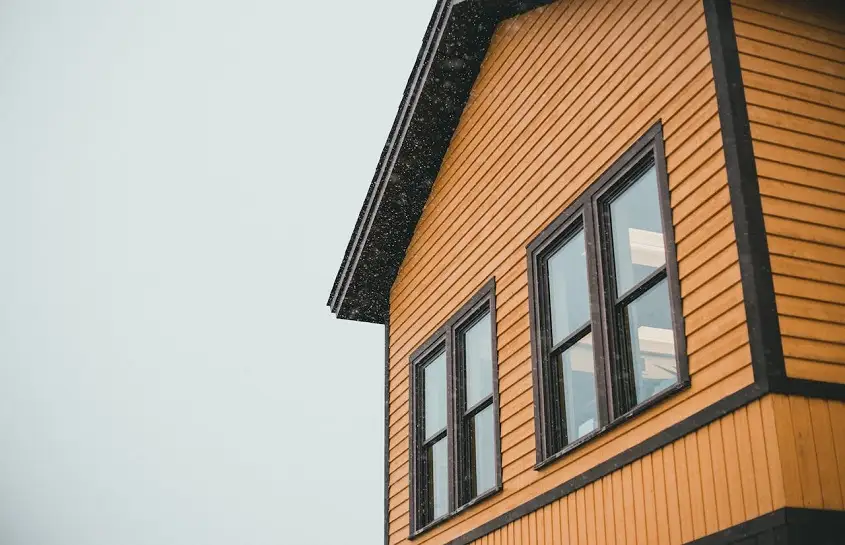
Farmhouse design relies heavily on clapboard. Wide boards and simple trim define the look. White or off-white Clapboard Siding paired with metal roofing creates instant farmhouse character. It’s familiar, comfortable, and easy to live with.
Low-Maintenance Alternatives That Mimic Wood
Wood isn’t the right choice for everyone. Maintenance takes time. That’s why clapboard vinyl siding appeals to many homeowners. It offers a similar appearance with less upkeep. From a distance, some vinyl options closely resemble cedar clapboard siding.
Choosing the Right Finish for Longevity
Finish matters more than people expect. Paint seals the surface, while stain allows the wood to breathe. Climate plays a role in this decision. So does personal preference. Well-installed Clapboard Siding lasts longer, regardless of finish.
Enhancing Curb Appeal with Trim and Details
Trim quietly shapes the final look. Wide trim feels bold. Narrow trim feels subtle. Homes with siding cedar clapboard often use white or natural trim to frame windows and doors. It may seem minor, but it changes the overall impression.
Sustainability and Eco-Friendly Benefits
Wood clapboard siding is often chosen for environmental reasons. Cedar is renewable when responsibly sourced. Even clapboard vinyl siding has improved over time, lasting longer and reducing replacement waste. Durability plays a big role in sustainability.
Maintenance Tips for Long-Lasting Beauty
No siding is maintenance-free. Wood needs inspection and occasional refinishing. Addressing small problems early helps Clapboard Siding last for decades. Many homeowners feel the effort is worth the result.
Final Thoughts: Elevate Your Home with Wood Clapboard Siding
Clapboard siding continues to work because it feels balanced. It isn’t overly trendy, and it doesn’t feel outdated either. Whether you choose cedar clapboard siding, clapboard vinyl siding, or a mixed-material approach, clapboard adapts easily.
With thoughtful choices, siding cedar clapboard can give your home an exterior that feels finished, natural, and genuinely welcoming.