
 By Mustafizur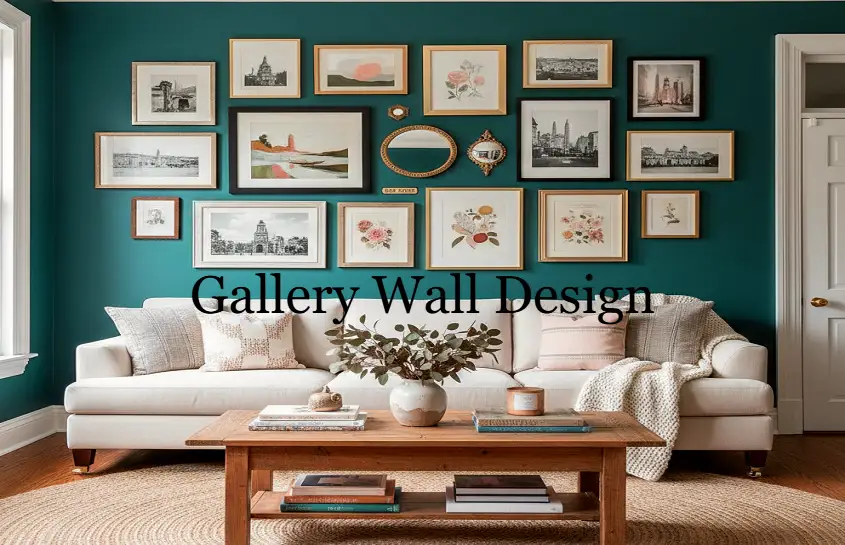
A Gallery Wall design is a simple way to give any living space more character. It turns an empty wall into a visual story. Photos, art prints, and meaningful objects come together to reflect personal taste. When done well, a gallery wall feels natural and inviting, not crowded.
Good gallery walls start with planning. Many people first arrange their frames on the floor. Others use paper templates on the wall. This helps visualize spacing and balance before hanging anything. It also reduces mistakes and keeps the layout clean.
There are many styles to choose from. Some prefer a modern grid with equal spacing and matching frames. Others like a relaxed mix of sizes, colors, and textures. Both approaches work if the arrangement feels balanced. The key is consistency in tone, not perfection.
A thoughtful Gallery Wall design focuses on flow. The pieces should feel connected. Spacing matters as much as the art itself. When everything works together, the wall feels intentional and personal, not random.
Why Choose a Gallery Wall for Your Living Room
The living room is the heart of your home. It’s where family gathers, guests relax, and memories are made. A well-planned Wall design brings life to your walls. It makes your space feel personal and inviting.
Walls let you express your style. You can mix family photos with art pieces. You can use vintage frames with modern prints. The choices are endless. This flexibility makes gallery walls a favorite choice for homeowners.
What You Need Before Starting
Before you begin, gather these essentials:
- A variety of gallery wall frames
- A selection of prints, photos, or art
- A tape measure and pencil
- Painter’s tape or paper templates
- Level and nails or picture hooks
Having what you need makes the process smooth. You’ll avoid mistakes and get better results.
Understanding Gallery Wall Frames
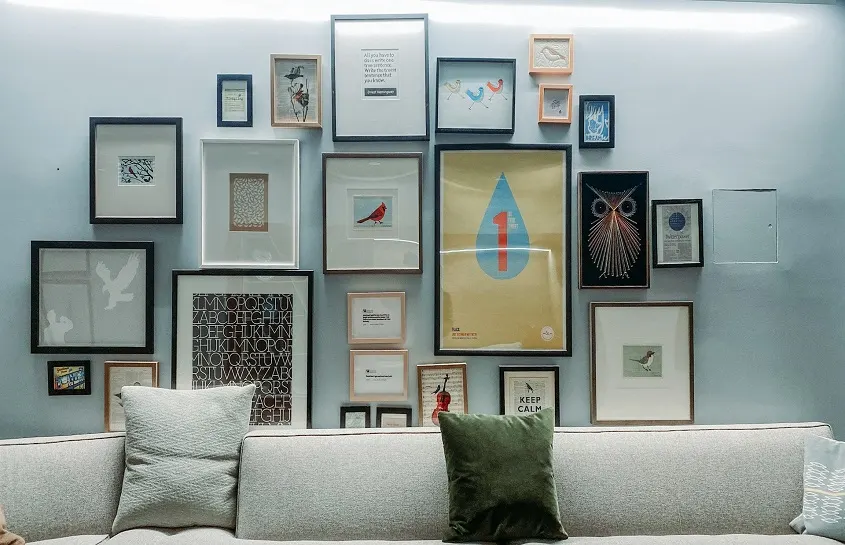
Choosing the right gallery wall frames is one of the most important steps. Frames set the tone of your display. They can be bold and modern or classic and elegant.
Types of Frames
- Wood Frames — Warm and natural. Great for cozy homes.
- Metal Frames — Sleek and modern. Ideal for minimalist spaces.
- Mixed Frames — A mix of styles for an eclectic look.
Tips for Choosing Frames
- Keep a consistent color palette for harmony.
- Mix textures but maintain a common element.
- Consider the size of your wall — big walls need bigger frames or more pieces.
Frames not only protect your art and photos. They also define your style.
Creative Gallery Wall Ideas for Living Rooms
Here are some inspiring gallery wall ideas to spark your creativity:
1. Family Photo Focus
Fill your living room wall with family photos. Choose black-and-white prints for unity. Add a few colorful shots for emphasis.
2. Travel Memories
Display photos or maps from your travels. Add small souvenirs like postcards or ticket stubs in shadow boxes.
3. Themed Art Pieces
Pick a theme like nature, abstract art, or botanicals. Keep the color story consistent for a refined look.
4. Mix of Art and Quotes
Add prints with meaningful quotes. Pair them with small paintings or sketches for variation.
5. Large Central Piece
Start with one large piece in the center. Surround it with smaller works. This creates a clear focal point.
These gallery wall ideas can fit different styles. Whether your living room is modern, traditional, or boho chic, there is an idea for you.
What is an Art Gallery Wall?
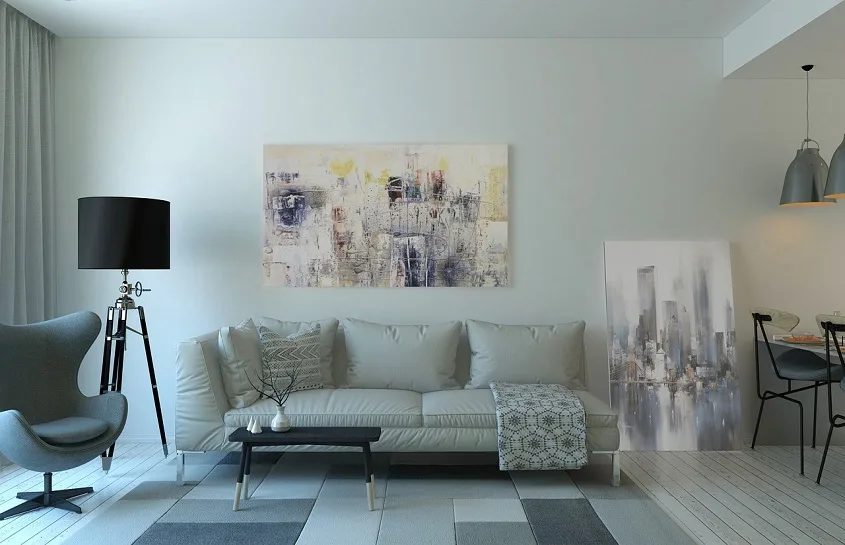
An art gallery wall focuses on showcasing artwork. This can include paintings, illustrations, and fine art prints. It’s a great way to bring gallery-level style into your home.
An art gallery wall differs from a typical photo wall. It usually highlights artistic expression. This makes it ideal for art lovers. You can curate pieces from local artists or prints you love. The key is balance. Make sure the pieces complement each other.
Planning Your Gallery Wall Layout
The gallery wall layout will determine how your display looks. Planning the layout before you hammer nails saves time and mistakes.
Common Layout Styles
- Grid Layout – Clean rows and columns. Great for symmetry.
- Salon Style – Freeform and dense. Works well with eclectic pieces.
- Centered Layout – One main piece with others arranged around it.
- Linear Layout – Pieces aligned along the top or bottom edge.
How to Plan Your Layout
- Measure your wall — Know your space.
- Cut paper templates — Tape paper shapes to the wall first.
- Experiment with placement — Move pieces around until it feels right.
- Keep balance in mind — Don’t cluster all large pieces in one area.
A well-thought-out gallery wall layout makes the final installation easier and more balanced.
How to Make a Gallery Wall – Step by Step
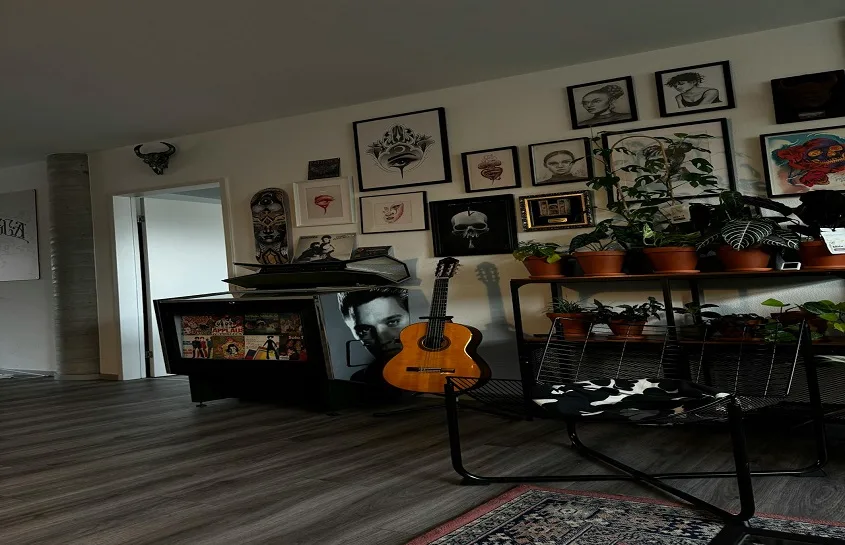
Here’s a simple guide on how to make a gallery wall that looks great:
Step 1: Choose Your Wall
Pick a wall that needs personality. Above the sofa is a popular choice. Other areas include hallways or stairway walls.
Step 2: Select Your Pieces
Gather artwork, photos, and frames. Lay them on the floor before mounting. This helps you visualize the arrangement.
Step 3: Create Templates
Trace each frame on paper. Cut them out. Use painter’s tape to stick them on the wall based on your layout plan.
Step 4: Adjust and Level
Step back. Look at the spacing. Use a level to ensure the top or center lines are straight.
Step 5: Hang with Care
Start with the center piece. Work outward. Use picture hooks or nails that can support weight.
Step 6: Final Touches
Stand back and enjoy. Make minor adjustments if necessary.
This process turns a blank wall into a curated display.
Wall Design Tips for a Harmonious Living Room
Good Wall Design goes beyond just a gallery wall. It connects with your room’s overall look.
Use Color Wisely
Your wall should harmonize with your wall color. If your walls are neutral, choose bold art. For colorful walls, use simple prints.
Consider Room Lighting
Good lighting brings art to life. Use picture lights or wall sconces to highlight your pieces.
Balance with Furniture
Your wall should complement furniture. A large sofa works well with a wide display. Smaller walls pair with fewer pieces.
Add Texture
Incorporate frames with different textures. Mix metal with wood. Add a fabric wall hanging for depth.
Maintain a Theme
Choose a theme that fits your home. It could be family heritage, travel, nature, or abstract art. A theme helps your Wall Design feel intentional.
Common Gallery Wall Mistakes to Avoid
Even great ideas can misfire without proper planning. Here are some mistakes to avoid:
- Too much space — Makes the wall look unfinished.
- Frames too high — Your eyes should naturally rest at eye level.
- Mismatch chaos — Too many clashing styles can feel busy.
- Ignoring scale — Small art on a large wall gets lost.
Avoiding these pitfalls keeps your wall looking intentional and stylish.
Maintenance and Updates
Your gallery wall isn’t set in stone. You can update it over time:
- Swap out photos with new memories.
- Rotate seasonal art pieces.
- Refresh frames for a new look.
Updating keeps your living room dynamic and fresh.
Conclusion
A Gallery Wall design can turn your living room into a meaningful and stylish space. It brings personality, warmth, and creative expression to your home. With the right gallery wall frames, thoughtful gallery wall ideas, an artful art gallery wall, smart gallery wall layout, and clear steps on how to make a gallery wall, you can create a stunning focal point.
Frequently Asked Questions
Q: What height should I hang a gallery wall in my living room?
A: Aim to center your gallery wall at eye level, usually around 57–60 inches from the floor.
Q: How many frames should I use for a living room gallery wall?
A: There’s no fixed number. Start with 5–9 pieces for medium walls. Larger walls can have more.
Q: Can I mix photos and art in one gallery wall?
A: Yes! Mixing photos and art brings a personal and curated feel.
Q: What’s the best way to layout a gallery wall before hanging?
A: Use paper templates on the wall or lay pieces on the floor and take a photo before installing.
Q: Do all frames need to match?
A: No. You can mix frame styles, but keep a common element like color or finish for harmony.
Q: Can I use wallpaper behind my gallery wall?
A: Yes! Wallpaper can add depth and richness. Just make sure it doesn’t overpower the art.