
 By Bapi Mondal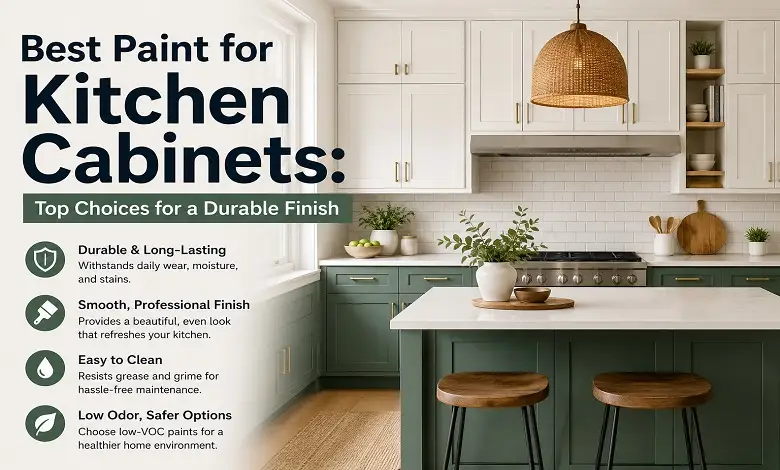
Choosing the best paint for kitchen cabinets can completely change the look of your kitchen without the cost of a full cabinet replacement. A fresh coat of paint can make outdated cabinets look modern, clean, and professionally finished. However, kitchen cabinets face more wear and tear than ordinary walls, so choosing the right paint matters.
Cabinets are exposed to grease, moisture, fingerprints, spills, heat, and frequent cleaning. The wrong paint may chip, peel, stain, or become difficult to clean within a short time. The right product, combined with proper preparation and application, can provide a smooth and durable finish that lasts for years.
In this guide, we will look at the best cabinet paint for kitchen projects, compare common paint types, explain whether you can paint cabinets without sanding, and share practical tips for getting a professional-looking result.
What Is the Best Paint for Kitchen Cabinets?
The best paint for kitchen cabinets is generally a high-quality acrylic, acrylic-alkyd, or urethane-modified cabinet paint designed to withstand regular handling and cleaning.
Unlike standard wall paint, cabinet paint is formulated with durability in mind. It should create a hard, washable surface while still flowing smoothly enough to produce an attractive finish.
When choosing paint, look for these qualities:
- Excellent adhesion
- Good resistance to stains and grease
- Durable, washable finish
- Smooth leveling
- Resistance to chipping and scratching
- Reasonable drying and curing time
- Low odour or low-VOC formulation when possible
A good cabinet coating is an investment because it can reduce the need for frequent touch-ups.
Top Paint Types for Kitchen Cabinets
There is no single product that works perfectly for every kitchen. The best choice depends on your cabinet material, desired finish, application method, and budget.
1. Acrylic Latex Cabinet Paint
Acrylic latex paint is one of the most convenient choices for homeowners. It is water-based, relatively easy to clean up, and available in many colours and finishes.
Modern acrylic cabinet paints can offer excellent durability when applied over a properly prepared and primed surface.
Best for: DIY projects, easy cleanup, and homeowners who prefer water-based products.
One important point is that not every basic latex wall paint is suitable for cabinets. Look for a product specifically designed for trim, doors, millwork, or cabinets.
2. Acrylic-Alkyd Paint
Acrylic-alkyd paint combines some characteristics of traditional oil-based coatings with the easier application and cleanup associated with water-based products.
It can provide a harder, smoother finish than ordinary wall paint, making it a strong option for cabinet doors and drawers.
Best for: Homeowners who want a smooth, durable finish with relatively easy application.
Allow the coating to cure properly before putting cabinets back into heavy daily use.
3. Urethane-Modified Cabinet Paint
Urethane-modified paints are popular for kitchen cabinets because they are designed to form a tough, durable surface.
They can be especially useful in busy kitchens where cabinets are opened and closed frequently and need regular cleaning.
Best for: High-use kitchens where durability is a priority.
Always follow the manufacturer’s instructions because drying and curing requirements vary between products.
4. Oil-Based Paint
Oil-based paint has traditionally been used for cabinets, doors, and trim because it can create a hard and durable surface.
However, it has some disadvantages. It generally takes longer to dry, produces stronger odours, and requires more involved cleanup. Modern water-based cabinet coatings have become popular alternatives.
Best for: Projects where a traditional hard finish is desired, and ventilation is adequate.
For most DIY homeowners, a modern cabinet-specific water-based coating may be more convenient.
Best Paint Finish for Kitchen Cabinets
The paint finish is almost as important as the paint type. Kitchen cabinets need to look attractive while also being practical to clean.
Satin Finish
Satin is one of the most popular choices for kitchen cabinets. It provides a soft appearance without being excessively shiny.
It can hide minor surface imperfections better than high-gloss paint while still being relatively easy to clean.
Semi-Gloss Finish
Semi-gloss provides more shine and can be a practical choice for kitchens because its smoother surface is easier to wipe down.
It also reflects more light, which can help brighten darker kitchens.
Gloss Finish
Gloss paint creates a highly reflective appearance and can make cabinet colours look bold and vibrant.
However, it also highlights surface imperfections more easily. If your cabinet preparation is not excellent, a glossy finish may make small dents, scratches, or uneven areas more noticeable.
For many homeowners, satin or semi-gloss is the best balance between appearance, durability, and maintenance.
What Is the Best Paint for Kitchen Cabinets Without Sanding?
Many homeowners search for the best paint for kitchen cabinets without sanding because sanding can be messy and time-consuming.
The good news is that some cabinet painting projects can be completed with little or no traditional sanding. However, skipping preparation completely is usually not a good idea.
Before painting, thoroughly clean the cabinets to remove grease, dirt, wax, and cooking residue. A suitable deglosser or liquid sanding product may help dull an existing glossy surface and improve adhesion.
A bonding primer can also be valuable, particularly when painting over:
- Glossy finishes
- Laminate surfaces
- Previously painted cabinets
- Dark or difficult surfaces
- Smooth factory finishes
The key is not simply finding a paint that claims to work without sanding. Surface preparation and adhesion are what determine whether the new coating lasts.
If the existing finish is peeling, damaged, or uneven, some sanding will probably be necessary regardless of which paint you choose.
How to Prepare Kitchen Cabinets for Painting
Even the best paint for kitchen cabinet projects can fail when preparation is rushed.
Step 1: Remove Cabinet Hardware
Take off handles, knobs, hinges, and other removable hardware. Label doors and hardware if necessary so everything goes back into the correct position.
Step 2: Clean Thoroughly
Kitchen cabinets often contain invisible layers of grease and cooking residue. Paint will not adhere properly to a dirty surface.
Use an appropriate cabinet-safe cleaner or degreaser and allow the surfaces to dry completely.
Step 3: Repair Damage
Fill dents, holes, cracks, and damaged areas with an appropriate filler. Once dry, smooth the repaired areas.
Step 4: Sand or Degloss
Lightly sand glossy surfaces when necessary. The goal is usually to create a suitable surface for adhesion rather than aggressively removing every layer of existing paint.
If you are using a deglosser, follow its product instructions carefully.
Step 5: Apply Primer
Primer can improve adhesion, help create a uniform base, and reduce the risk of stains showing through the final coating.
Choose a primer compatible with both the existing cabinet surface and your chosen topcoat.
How to Paint Kitchen Cabinets for a Smooth Finish
Once preparation is complete, the painting process becomes much easier.
Start by applying thin, even coats instead of trying to cover everything with one heavy coat. Excess paint can create drips, brush marks, and uneven areas.
A quality brush can work well for detailed areas, while a suitable small roller or sprayer can help produce a smoother finish on larger surfaces.
Helpful Painting Tips
- Paint doors and drawers on a clean, flat surface.
- Avoid applying excessively thick coats.
- Allow each coat to dry according to the manufacturer’s instructions.
- Lightly smooth imperfections between coats when appropriate.
- Keep dust away from freshly painted surfaces.
- Give the paint enough time to cure before heavy use.
- Reinstall hardware carefully to avoid scratching the new finish.
Remember that dry and cured are not always the same thing. Paint may feel dry to the touch while still developing its final hardness.
How Many Coats of Paint Do Kitchen Cabinets Need?
Most cabinet projects require at least two coats of finish, although the exact number depends on the product, colour, surface, and coverage.
A primer followed by two thin finish coats is a common approach. Dark colours being covered with light paint may require additional preparation or coats.
Always prioritize the manufacturer’s coverage recommendations instead of assuming that more paint automatically means a better result.
Common Mistakes to Avoid
Painting cabinets can be a rewarding DIY project, but several mistakes can shorten the life of the finish.
Skipping Cleaning
Grease is one of the biggest enemies of cabinet paint. Even a small amount of residue can interfere with adhesion.
Using Wall Paint
Regular interior wall paint is designed for walls, not surfaces that are constantly touched and cleaned. Cabinet-specific coatings are generally a better choice.
Applying Thick Coats
Thick coats may take longer to dry and can lead to runs, brush marks, or an uneven finish. Several thin coats are usually preferable.
Rushing the Cure Time
Cabinets need time to develop their full durability. Reinstalling doors or using them heavily too soon can damage the fresh coating.
Ignoring the Existing Surface
Wood, laminate, MDF, previously painted cabinets, and glossy factory finishes can require different preparation methods. Identify the surface before selecting your primer and paint.
How to Choose the Best Cabinet Paint for Kitchen Projects
When comparing products, think beyond the colour.
Ask yourself:
How busy is the kitchen?
A family kitchen with constant use needs a tougher coating than a lightly used space.
What material are the cabinets?
Wood and laminate may require different primers and preparation.
What finish do you want?
Satin and semi-gloss are practical choices for many kitchens.
Are you painting indoors?
If ventilation is limited, a low-odour, water-based option may be more comfortable to use.
Are you doing the project yourself?
DIY-friendly products with simple cleanup and clear application instructions can make the project easier.
Final Thoughts
Finding the best paint for kitchen cabinets is only one part of creating a durable and professional-looking finish. The quality of the surface preparation, primer, application technique, and curing process all play important roles.
For many kitchens, a high-quality acrylic, acrylic-alkyd, or urethane-modified cabinet coating in a satin or semi-gloss finish can provide a strong combination of beauty and durability. If you want to avoid extensive sanding, focus on thorough cleaning, appropriate deglossing, and a good bonding primer rather than simply relying on a “no-sanding” label.
Take your time, use thin coats, and follow the paint manufacturer’s instructions. With the right approach, repainting your cabinets can give your kitchen a fresh new appearance without the expense of replacing the entire cabinetry.
Frequently Asked Questions
Q: What is the best paint for kitchen cabinets?
A. The best choice is usually a high-quality cabinet-specific acrylic, acrylic-alkyd, or urethane-modified coating that provides good adhesion, durability, and washability. The ideal product also depends on the cabinet material and existing finish.
Q: Can I paint kitchen cabinets without sanding?
A. Yes, some cabinets can be painted with minimal or no traditional sanding when the surface is thoroughly cleaned, properly deglossed when appropriate, and primed with a compatible bonding primer. Damaged or peeling surfaces may still require sanding.
Q: Is satin or semi-gloss better for kitchen cabinets?
A. Both can work well. Satin offers a softer appearance and hides minor imperfections better, while semi-gloss provides more sheen and can be easier to wipe clean. Your choice should depend on the look and maintenance level you prefer.
Q: Do kitchen cabinets need primer before painting?
A. Primer is not always required for every product and surface, but it can significantly improve adhesion and coverage. It is especially useful when changing colors, painting difficult surfaces, or covering stains.
Q: How long does cabinet paint last?
A. The lifespan depends on the quality of the paint, surface preparation, application, curing, and everyday use. Proper preparation and a durable cabinet coating can help a painted finish remain attractive for many years.