
 By Bapi Mondal
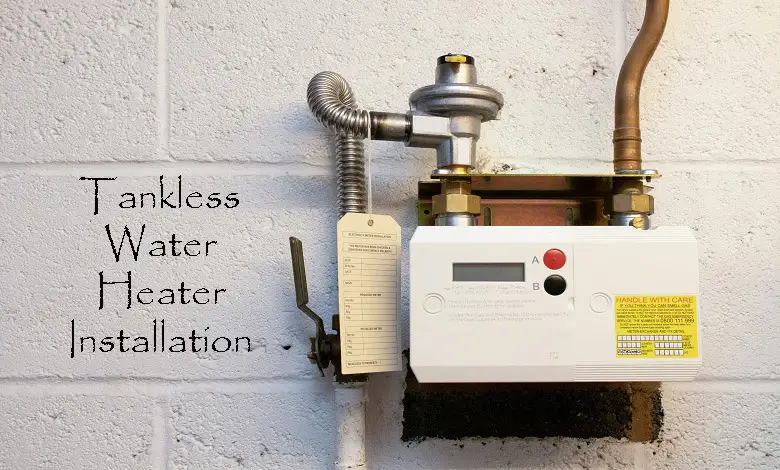
A tankless water heater installation is an excellent way to improve your home’s hot water system, reduce energy waste, and enjoy hot water whenever you need it. Unlike traditional storage water heaters, tankless models heat water on demand instead of storing it in a large tank. This design can save space, improve energy efficiency, and provide a reliable hot water supply for everyday household activities.
However, choosing the right unit and installing it correctly are important for long-term performance. Homeowners should understand the installation process, equipment requirements, potential costs, and maintenance needs before making a decision.
In this guide, we will explain everything you need to know about tankless water heater installation, including different types, installation requirements, common mistakes, and professional installation services.
What Is a Tankless Water Heater?
A tankless water heater is a modern water heating system that heats water only when someone turns on a hot water tap. Instead of keeping a large quantity of water heated inside a storage tank, it uses a powerful heating element or gas burner to warm water as it passes through the unit.
When you open a shower, kitchen faucet, or bathroom tap, cold water enters the system and gets heated before reaching the outlet.
Tankless water heaters are available in two main types:
- Gas tankless water heaters: These use natural gas or propane to heat water quickly. They often require proper ventilation and an appropriately sized gas supply.
- Electric tankless water heaters: These use electrical heating elements and may require significant electrical capacity, depending on the model.
Both options have advantages, and the right choice depends on your household’s hot water requirements, available utilities, and installation budget.
Benefits of Tankless Water Heater Installation
Installing a tankless water heater offers several advantages over traditional water heating systems. Although the initial investment can be higher, many homeowners consider it a worthwhile long-term improvement.
1. Energy Efficiency
Traditional water heaters continuously maintain stored water at a selected temperature, even when nobody is using hot water. Tankless systems heat water on demand, helping reduce standby heat loss.
This can improve energy efficiency, particularly in households with moderate hot water consumption.
2. Continuous Hot Water Supply
One of the biggest advantages of a tankless system is its ability to provide hot water whenever needed. You do not have to wait for a storage tank to refill and reheat after several showers.
However, the unit must be properly sized to handle the combined flow rate of the fixtures being used.
3. Space-Saving Design
Tankless water heaters are generally smaller than traditional storage systems. Most models can be mounted on a wall, making them suitable for utility rooms, garages, and other spaces with limited floor area.
4. Longer Equipment Lifespan
Many tankless water heaters can last longer than conventional storage water heaters when properly installed and maintained. Their actual lifespan depends on water quality, usage, maintenance, and manufacturer recommendations.
5. Reduced Water Heating Waste
Because the system heats water only when required, it avoids continuously heating a full storage tank. This can help reduce unnecessary energy consumption.
Understanding Tankless Water Heater Installation Requirements
Before starting a project, homeowners should evaluate several important installation requirements. Proper preparation helps prevent performance problems and unexpected expenses.
Water Flow Rate and Household Demand
The first step is determining how much hot water your household needs. A small unit may work well for a bathroom or limited application, while a larger household may require a higher-capacity system.
For example, consider how many appliances and fixtures may operate simultaneously, including:
- Showers and bathtubs
- Kitchen faucets
- Bathroom sinks
- Washing machines
- Dishwashers
A professional installer can calculate the required flow rate and temperature rise to recommend an appropriately sized unit.
Gas or Electrical Supply
Gas tankless water heaters need an adequate gas supply to operate correctly. Depending on the model and existing infrastructure, the installation may require gas line modifications.
Electric models may require dedicated electrical circuits, appropriate wiring, and sufficient electrical panel capacity.
Always check the manufacturer’s specifications before selecting a system.
Ventilation and Exhaust Requirements
Gas-powered models produce combustion gases that must be safely exhausted outside. Proper venting is essential for indoor installations.
Different models have different venting requirements, so homeowners should follow the manufacturer’s instructions and applicable local building codes.
Water Quality and Plumbing Connections
Hard water and mineral buildup can affect the performance of tankless water heaters. Depending on local water conditions, a water treatment or filtration system may be recommended.
The installer should also inspect existing plumbing connections, water pressure, shutoff valves, and drainage requirements.
Tankless Water Heater Installation: Step-by-Step Process
A professional installation generally involves several stages. The exact process depends on the equipment, property layout, and whether the home is being upgraded from a traditional water heater.
Step 1: Evaluate the Existing Water Heating System
The installer begins by examining the existing water heater, plumbing connections, fuel supply, electrical system, and available installation space.
This assessment helps identify any upgrades required before the new equipment is installed.
Step 2: Select the Right Tankless Water Heater
Choosing the correct model is essential. The installer considers household size, peak hot water demand, incoming water temperature, energy source, and available installation space.
Selecting an undersized system can result in insufficient hot water during periods of high demand.
Step 3: Remove the Old Water Heater
If you are replacing a traditional water heater, the old unit must be disconnected and removed safely.
The installer typically shuts off the water supply and relevant power or fuel connections before draining the storage tank and removing the equipment.
Step 4: Prepare Plumbing and Utility Connections
The next stage involves preparing the water lines, electrical connections, or gas supply as required.
Additional work may include installing isolation valves, upgrading pipes, modifying ventilation, or improving electrical capacity.
Step 5: Mount and Connect the New Unit
The tankless water heater is secured in an approved location according to the manufacturer’s installation instructions.
The installer connects the water supply, hot water outlet, fuel or electrical connections, and required ventilation components.
Step 6: Test the System
Once installation is complete, the professional checks for leaks, verifies connections, tests temperature settings, and confirms that the system operates correctly.
The installer should also explain basic operation, maintenance requirements, and safety precautions.
Tankless Water Heater Installation Cost: What Should Homeowners Expect?
The tankless water heater installation cost depends on several factors, including equipment type, brand, labour rates, existing infrastructure, and the complexity of the project.
Gas and electric models have different installation requirements. A straightforward replacement may cost less than a project involving new gas lines, electrical upgrades, plumbing modifications, or ventilation work.
The following table highlights the main cost factors.
| Cost factor | What affects the price |
| Equipment | Brand, capacity, and model |
| Labor | Installer experience and working hours |
| Plumbing | Pipe modifications and new connections |
| Gas supply | Gas line sizing and upgrades |
| Electrical work | Dedicated circuits or panel upgrades |
| Ventilation | Exhaust pipes and venting modifications |
| Additional equipment | Water filtration and isolation valves |
What Makes Installation More Expensive?
Some homes require additional preparation before a tankless system can be installed. For example, replacing an older storage water heater with a high-capacity gas model may require gas line modifications and a new venting arrangement.
Similarly, an electric tankless unit may require electrical panel upgrades if the existing system cannot support its power requirements.
How to Get an Accurate Installation Estimate
Homeowners should request written estimates from multiple qualified contractors. A detailed estimate should include equipment costs, labour charges, necessary modifications, permits, and warranty information.
Avoid choosing a contractor based only on the lowest price. Proper installation is important for safety, efficiency, and equipment performance.
For general budgeting in the United States, 2026 estimates from home improvement sources place many complete installations around $2,400–$5,400, although simpler or more complex projects can fall outside this range.
Water Heater Installation Tankless vs. Traditional Systems
When considering a new water heating system, it is useful to compare tankless and traditional storage models.
| Feature | Tankless water heater | Traditional water heater |
| Water heating | On demand | Stored and reheated |
| Space required | Usually less | Usually more |
| Hot water supply | Continuous within capacity | Limited by tank size |
| Standby heat loss | Minimal | Present |
| Initial cost | Generally higher | Generally lower |
| Maintenance | Periodic descaling and inspection | Periodic flushing and inspection |
Tankless systems are a good option for homeowners who want to save space and reduce standby energy loss. Traditional systems may be more affordable initially and can be suitable for households that prefer a familiar setup.
The best choice depends on your household’s needs, energy prices, available utilities, and long-term budget.
Read Also: Roof Leak Repair NJ: Quick Solutions for a Dry and Secure Home
How to Find Tankless Water Heater Installation Near Me
Finding a reliable professional is one of the most important parts of upgrading your water heating system. Searching for tankless water heater installation near me can help you discover local plumbers and contractors who provide installation, replacement, and maintenance services.
However, it is important to compare professionals before choosing one.
Here are some useful tips:
1. Check Professional Experience
Look for plumbers or contractors who have experience installing both gas and electric tankless water heaters. Ask whether they have worked with your preferred brand and model.
2. Verify Licensing and Insurance
Choose a qualified professional who meets local licensing and insurance requirements. This is especially important when installation involves gas connections, electrical work, or plumbing modifications.
3. Compare Multiple Estimates
Request estimates from at least two or three contractors. Compare equipment specifications, labor charges, additional materials, and warranty coverage.
4. Read Customer Reviews
Check customer feedback on Google Business Profile and other trusted review platforms. Pay attention to comments about installation quality, communication, punctuality, and after-installation support.
5. Ask About Permits and Warranties
Some installations require building, plumbing, gas, or electrical permits. Ask the contractor who will handle the necessary approvals and inspections.
You should also understand the manufacturer’s equipment warranty and the contractor’s workmanship warranty before signing an agreement.
Common Tankless Water Heater Installation Mistakes to Avoid
Even a high-quality water heater may perform poorly if it is installed incorrectly. Homeowners should understand the common mistakes that can affect system performance and safety.
Choosing the wrong unit size: An undersized system may struggle to provide enough hot water when several fixtures operate simultaneously.
Ignoring gas line requirements: Gas models need an adequate fuel supply. An undersized gas line can prevent the unit from operating as intended.
Incorrect ventilation: Improper exhaust installation can create serious safety risks. Always follow the manufacturer’s venting specifications and local codes.
Overlooking electrical requirements: Electric tankless systems may require dedicated circuits and substantial electrical capacity.
Skipping water treatment: Hard water can cause mineral buildup inside the heat exchanger. Consider suitable water treatment when recommended by the manufacturer.
Hiring an unqualified installer: Incorrect plumbing, gas, or electrical connections can lead to leaks, equipment damage, and safety hazards.
Professional planning and proper installation help avoid these problems.
Maintenance Tips After Tankless Water Heater Installation
Regular maintenance helps keep your system operating efficiently and may extend its useful life. Although tankless water heaters generally require less storage-related maintenance, they still need periodic attention.
Follow these maintenance recommendations:
- Flush the heat exchanger: Remove mineral deposits according to the manufacturer’s recommended schedule.
- Inspect water filters: Clean or replace inlet filters when necessary.
- Check ventilation: Make sure intake and exhaust openings are clear and undamaged.
- Inspect plumbing connections: Look for leaks, corrosion, or loose fittings.
- Monitor error codes: Check the user manual and contact a qualified technician if warning codes appear.
- Schedule professional inspections: Have the system inspected periodically according to manufacturer recommendations and local conditions.
Homes with hard water may require more frequent descaling. Following the manufacturer’s maintenance schedule is particularly important for protecting the heat exchanger.
Is Professional Tankless Water Heater Installation Worth It?
Professional installation is generally worth considering because tankless systems involve several technical requirements. These include water flow calculations, fuel supply, electrical capacity, ventilation, and plumbing connections.
A qualified installer can evaluate your home, recommend the right equipment, and complete the work according to applicable safety standards.
Although professional services increase the initial project cost, correct installation can help prevent expensive repairs and performance problems later.
For most homeowners, choosing an experienced professional is a practical investment in safety, reliability, and long-term performance.
Final Thoughts
A tankless water heater installation can be a valuable home improvement project for homeowners looking for better energy efficiency, space savings, and convenient hot water access. However, selecting the right equipment and ensuring proper installation are essential for getting the best results.
Before purchasing a system, consider your household’s hot water demand, available gas or electrical supply, installation requirements, and overall budget. Compare professional contractors and request detailed estimates to avoid unexpected expenses.
Whether you are replacing an old water heater or upgrading your entire hot water system, a properly installed tankless model can provide dependable performance for many years.
Frequently Asked Questions (FAQs)
Q: How long does tankless water heater installation take?
A: A straightforward installation may take several hours. However, replacing an existing system or upgrading gas lines, electrical connections, and ventilation can require additional time.
Q: What is the average tankless water heater installation cost?
A: In the United States, many complete installations cost approximately $2,400 to $5,400 in 2026. The final price depends on equipment, labour, and any additional upgrades.
Q: Can I install a tankless water heater myself?
A: Some basic tasks may appear simple, but complete installation often involves gas, electrical, plumbing, and ventilation work. Hiring qualified professionals is the safer approach.
Q: Is a tankless water heater suitable for a large family?
A: Yes. A properly sized whole-house system can serve a large family. The installer must calculate simultaneous hot water demand and the required temperature rise.
Q: How often should a tankless water heater be serviced?
A: Maintenance frequency depends on water quality, usage, and manufacturer recommendations. Descaling may be necessary more frequently in areas with hard water.
Q: Does a tankless water heater provide unlimited hot water?
A: It can provide hot water continuously while operating within its rated flow rate and heating capacity. Using too many fixtures simultaneously may reduce the available hot water temperature or flow.
Q: What is the difference between gas and electric tankless water heaters?
A: Gas models use natural gas or propane, while electric models use electrical heating elements. Gas models require suitable ventilation and fuel capacity, whereas electric models need sufficient electrical supply.
Q: How do I choose the right tankless water heater installer?
A: Look for an experienced, properly licensed and insured professional. Compare written estimates, customer reviews, warranties, and installation experience before making a decision.