
 By Bapi Mondal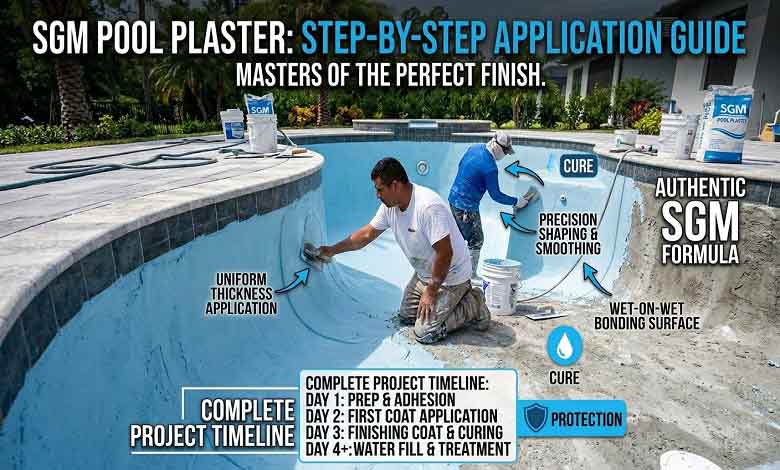
If you’ve owned a swimming pool for a few years, you’ve probably noticed that the surface doesn’t stay perfect forever. What once felt smooth starts to feel rough. The colour fades a bit. Maybe you spot a small crack or stain that doesn’t go away, no matter how much you scrub.
That’s usually when people start looking into pool plaster—sometimes out of curiosity, but more often because something doesn’t feel right anymore.
The truth is, plaster is one of those parts of a pool that people don’t think about until they have to. But it’s actually one of the most important elements. It affects how your pool looks, how it feels, and how long the structure underneath lasts.
This guide is written the way most pool owners actually need it—clear, practical, and based on what you’ll really deal with over time.
What Pool Plaster Actually Does (Beyond Just Looks)
Most people assume pool plaster is just there to make the pool look nice. That’s part of it, sure—but it’s not the main job.
The plaster is basically the protective layer between the water and the concrete shell of your pool. Without it, water would slowly seep into the structure and cause all kinds of problems over time.
It also gives the pool its smooth finish. When plaster is new, it feels almost silky. That’s not just for comfort—it helps prevent dirt from sticking and makes cleaning easier.
So when plaster starts to wear down, it’s not just a cosmetic issue. It’s the beginning of something that can turn into a bigger problem if left alone.
What Happens When You Plaster Pool Surfaces
When people talk about “plastering a pool,” they’re usually referring to either building a new pool or resurfacing an old one.
To plaster pool interiors, the process usually starts by draining the water completely. Then the old surface is either stripped down or prepared so the new layer can stick properly.
Once that’s done, a fresh mix is applied across the entire surface. It’s spread and smoothed by hand, which is why the quality of the job depends a lot on the people doing it.
After that, the pool is filled right away. This part surprises a lot of people, but it’s important. The plaster needs water to cure properly.
For the next few days, you’re not really “using” the pool—you’re letting it settle into its final form.
How to Tell When Pool Plaster Is Wearing Out
You don’t need to be an expert to spot when something’s off. Most pool owners notice it gradually.
Here are some of the more common signs that it might be time to think about pool plaster repair:
- The surface feels rough on your feet
- You see small cracks or flaking areas
- Stains won’t come out, no matter what you try
- The colour looks uneven or faded
- You’re brushing more often just to keep it clean
None of these usually happens overnight. It’s more like a slow change that becomes obvious after a while.
One thing worth mentioning—roughness is often the first real warning sign. Once the surface starts breaking down, it doesn’t fix itself.
Fix Pool Plaster: When a Patch Is Enough (and When It’s Not)
A lot of people ask if they can just patch things instead of redoing the whole surface. And sometimes, yes—you can.
If you’re dealing with a small crack or a minor chipped area, you can often fix pool plaster with a repair kit or a professional patch job.
But here’s the reality: patches rarely blend perfectly. You might fix the problem, but you’ll probably still see where it was.
More importantly, patching only works if the rest of the plaster is still in good shape. If you’re seeing issues in multiple spots, it’s usually a sign that the surface is reaching the end of its life.
In those cases, full pool plaster repair—meaning a complete resurfacing—is the better long-term solution.
How Long Pool Plaster Really Lasts
There’s no exact number, but most standard plaster lasts somewhere between 7 and 12 years.
Some last longer, especially if the water chemistry is kept balanced and the pool is maintained properly. Others wear out sooner, especially if the water has been too acidic or too harsh over time.
What matters more than the exact timeline is how the surface looks and feels. If it’s rough, stained, or starting to break down, it’s time to deal with it—regardless of age.
Pool Plaster Colours: What You Should Actually Consider
Choosing pool plaster colours sounds simple at first. You pick what looks good, right?
But once you start looking into it, you realize it affects more than just appearance.
The colour of the plaster changes how the water looks. That’s the first thing most people notice.
- White plaster gives you that classic bright blue water
- Light blue feels more tropical and soft
- Gray creates a deeper, more modern tone
- Dark finishes can make the water look almost like a lagoon
But here’s what people don’t always think about—maintenance.
Lighter colours tend to show stains more easily. Darker colours can hide some imperfections but may highlight others, especially if the surface isn’t perfectly even.
A lot of pool owners end up choosing something in the middle—like a soft blue or light gray—because it balances appearance and practicality.
Different Types of Pool Plaster Finishes
Not all plaster is the same, even though it might look similar at first.
Traditional plaster is the most basic option. It’s smooth, affordable, and widely used. But it’s also the one that wears out the fastest.
Quartz finishes add a bit more durability. They hold up better against chemicals and tend to keep their color longer.
Then there are aggregate finishes, like pebble mixes. These are tougher and last longer, but they feel slightly textured compared to standard plaster.
The choice usually comes down to how long you want it to last and how much you’re willing to invest upfront.
What Causes Pool Plaster to Wear Out Faster
Most plaster problems don’t happen randomly. There’s usually a reason behind them.
One of the biggest factors is water chemistry. If the pH or calcium levels are off for long periods, it can slowly eat away at the surface.
Poor maintenance is another factor. If debris sits too long or the pool isn’t brushed regularly, buildup can damage the finish.
Even things like using the wrong cleaning tools can cause small scratches that turn into bigger issues over time.
It’s not about doing everything perfectly—it’s about staying consistent.
Maintenance Habits That Actually Make a Difference
You don’t need to overcomplicate things to keep your pool plaster in good condition.
A few simple habits go a long way:
- Check your water chemistry regularly
- Brush the pool at least once a week
- Clean stains early before they set
- Keep debris from sitting too long
These aren’t difficult, but they’re easy to ignore. And over time, that’s what leads to bigger problems.
Cost: What You’re Really Paying For
Costs vary a lot depending on the size of the pool and the type of finish you choose.
Basic plaster is the most affordable, but it may need to be redone sooner. Higher-end finishes cost more upfront but usually last longer.
One thing many pool owners learn the hard way is that delaying repairs often ends up costing more. What starts as a small issue can turn into a full resurfacing job if ignored.
So it’s not just about cost—it’s about timing.
Final Thoughts
If there’s one thing to take away from all this, it’s that pool plaster is more than just a finishing touch. It’s what keeps your pool functional, comfortable, and looking the way it should.
Most people don’t think about it until something goes wrong. But once you understand how it works, it’s easier to spot issues early and deal with them before they get worse.
Whether you’re planning to plaster pool surfaces for the first time, thinking about pool plaster repair, or trying to fix pool plaster problems, the goal is the same—keep the surface in good shape so everything else lasts longer.
And when it comes to choosing pool plaster colors, it’s not just about what looks good today. It’s about what you’ll still be happy with years from now.
FAQs:
Q: Can I fix pool plaster myself?
A: Small patches are possible, but larger issues usually need professional work.
Q: What is the most durable plaster option?
A: Quartz and pebble finishes tend to last longer than standard plaster.
Q: Do pool plaster colors affect maintenance?
A: Yes. Lighter colors show stains more, while darker ones can highlight surface inconsistencies.
Q: How often should I brush my pool?
A: At least once a week to prevent buildup and keep the surface in good condition.
Q: How do I know if my pool needs new plaster?
A: If the surface feels rough, shows cracks, or has stains that won’t go away, it’s probably time to consider it.