
 By Mustafizur
If you’ve ever walked past a Tomaten Plant in someone’s yard and thought, “I wish I could grow that,” you’re not alone. Most beginners feel unsure at first, but the truth is, a tomato plant doesn’t ask for much. A bit of sun, some water, and a little attention—it’s almost like having a quiet pet that rewards you with fresh food.
The first time I planted a Tomaten Plant, I had no idea what I was doing. I stuck it in the ground, watered it whenever I remembered, and hoped for the best. And somehow, against all odds, it grew. That’s when I realized beginners don’t need perfection. They just need a clear guide and a little curiosity.
This article walks you through the entire process in a simple, human way—no complicated gardening jargon, no fancy techniques—just what genuinely works.
Why Grow Your Own Tomaten Plant?
People grow Tomaten Plant for different reasons. Some like the taste, some enjoy seeing something grow from nothing, and others just want a hobby that doesn’t feel like work. Store-bought tomatoes are fine, but they don’t compare to the sweetness you get from a sun-warmed fruit you picked yourself.
A single tomato plant can give dozens of tomatoes if you treat it right. And the best part? You don’t need a garden. A balcony, a rooftop, a window that gets good sunlight—anything works.
Choosing the Right Tomato Variety (Don’t Overthink It)
One thing new gardeners tend to do is overthink the variety. Cherry, Roma, beefsteak, determinate, indeterminate, it doesn’t sound very easy, but here’s the simple version:
- If you want something easy, choose cherry tomatoes.
- If you want tomatoes for cooking, go with Roma.
- If you want big slices for sandwiches, choose beefsteak.
- If you don’t have much space, pick a compact patio variety.
Some varieties keep growing (indeterminate), and some stay small (determinate). That’s the main difference.
As a beginner, you honestly can’t go wrong. Tomaten Plant is forgiving.
Read More: Breath of Heaven Plant Guide: Soil, Sunlight, and Watering Tips
When Do I Plant Tomatoes?
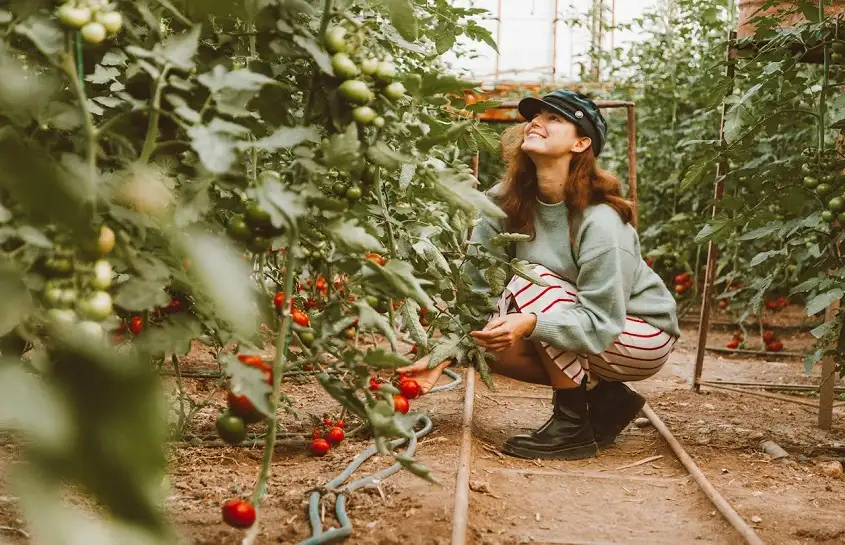
Everyone asks this— “When do I plant tomatoes?” Here’s the most human answer I can give:
Plant them when the world around you starts to feel warm again.
That usually means:
- After the last frost, always.
- The soil shouldn’t feel cold when you touch it.
- If nights are still chilly, wait a little longer.
If you want a more exact answer, check the frost date for your area, but honestly, your body can feel the right time. Tomatoes hate cold weather.
If you’re starting from seeds, begin indoors about 6–8 weeks early. If you’re using seedlings, plant them straight outside when temperatures stay warm.
Preparing the Soil
Tomatoes grow best in soil that feels loose when you push your fingers into it. Hard, compacted dirt won’t do. Mix in compost or organic matter to make it fluffy and rich.
What tomato plants like in soil:
- Good drainage
- Slightly acidic pH (don’t worry—most garden soil is already fine)
- Organic material
If you’re planting in a pot, choose a container that holds at least 5 gallons of soil. Tomato roots like room.
The quality of the soil can make a huge difference. Think of it like feeding a child—better food, better growth.
Planting Your Tomato Plants: A Simple Step-by-Step
1. Dig a deeper hole than you think
Tomato stems grow roots when buried. This makes the plant stronger.
2. Add something nutritious
A handful of compost works. You don’t need anything fancy.
3. Remove a few lower leaves
This keeps the buried part clean and helps prevent rot.
4. Plant it gently
Don’t squash the roots. Let them spread naturally.
5. Water slowly
Imagine you’re giving the soil a long drink, not a splash.
6. Add support early
Tomatoes grow fast. Cages, stakes, or sticks—it all works.
The first week is important. Keep the soil a little moist, and don’t stress if the plant looks a bit lazy at first. It’s just adjusting.
What to Plant With Tomatoes (Companion Plants That Actually Help)
Companion planting sounds like a professional gardening technique, but really, it’s just choosing plants that get along well. Some plants protect your tomatoes, some enrich the soil, and some simply make the area healthier.
Here are great tomato companion plants that gardeners trust:
- Basil — Keeps pests away and smells great.
- Marigold — Natural bug repellent.
- Garlic — Helps prevent fungal issues.
- Lettuce — Grows low and keeps the soil cool.
- Carrots — Use little space and grow under tomatoes.
All of these are strong companion plants for tomatoes, and they also make your garden look alive.
Watering Your Tomaten Plant (The Most Common Mistake)
Most people either drown their tomatoes or forget to water them altogether. Tomatoes want consistency.
Simple watering rules:
- Water the soil, not the leaves.
- Water deeply, not lightly.
- Keep the soil evenly moist.
- Morning watering is ideal.
One trick is to stick your finger an inch into the soil. If it feels dry, it’s time to water. If it’s still moist, wait.
Tomatoes love balance. Too much water leads to rot. Too little leads to cracking.
Feeding Tomaten Plant Naturally
Tomatoes get hungry, especially when fruit starts forming. You don’t need chemical fertilizers. Compost alone can do wonders.
Here’s a simple feeding timeline:
- At planting: mix compost into the soil
- After 3–4 weeks: a light feeding
- When flowers appear: boost phosphorus
- Mid-season: another compost layer
Don’t overfeed nitrogen. It makes the plant leafy but reduces fruit.
How to Prune Tomato Plants
If you’ve never pruned before, don’t panic. The goal is not to shape the plant perfectly—it’s simply to help it breathe.
How to prune tomato plants simply:
- Remove small “sucker” branches between the stem and main leaves.
- Trim lower leaves that touch soil.
- Keep the inside area open so air can move through.
Imagine giving the plant enough space to stretch its arms. That’s all pruning is.
Common Problems and How to Handle Them
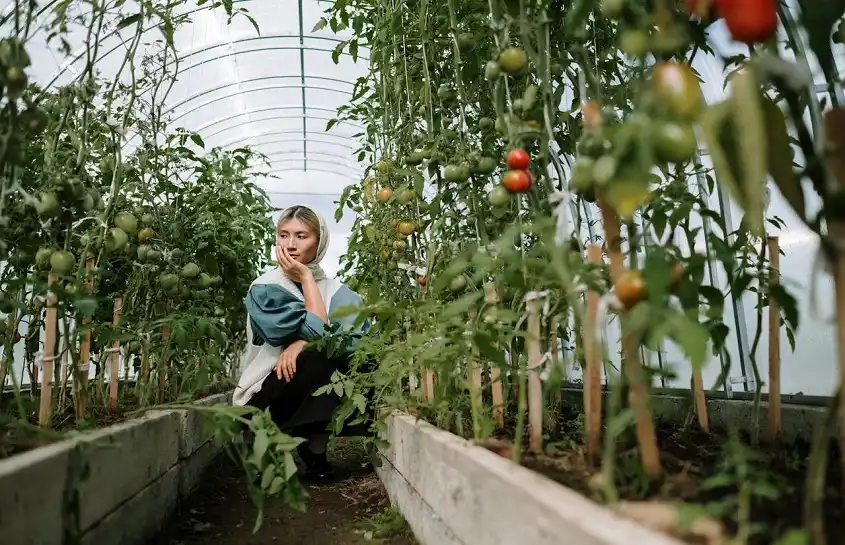
Tomatoes attract curious pests and sometimes catch diseases, but most issues are easy to spot.
Pests you might see:
- Aphids
- Whiteflies
- Caterpillars
- Spider mites
Diseases:
- Blight
- Mold
- Wilting
If something looks off, remove affected leaves early. Companion planting also reduces problems before they begin.
Daily and Weekly Care Tips
A healthy Tomaten Plant grows fast. Checking it for a minute or two each day is enough.
Things to do regularly:
- Tie growing stems to their support
- Look for yellow leaves
- Watch for pests
- Keep the soil moist
- Add mulch if the soil dries too fast
Small daily habits prevent big issues later.
Harvesting Your Tomatoes
You’ll know tomatoes are ready when they glow with full color, feel slightly soft, and come off the vine easily. Don’t tug too hard; a ripe tomato almost falls into your hand.
Pick often. The more you harvest, the more your plant produces.
Read More: How to Grow a Lime Tree Indoors or Outdoors: Tips for Every Gardener
Enjoying Your Homegrown Tomatoes
Fresh tomatoes go well with almost anything:
- Salads
- Sandwiches
- Pasta
- Soups
- Homemade sauces
If you have too many, freeze them, dry them, or turn them into a simple sauce.
Conclusion
Growing tomatoes at home isn’t complicated. It’s a gentle job that teaches you patience and rewards you with something real—something you can eat and share. When you know when to plant tomatoes, how to prune, and what to plant with tomatoes, the whole process becomes easier.
A Tomaten Plant isn’t just a plant. It’s a small project that grows with you. And for beginners, it’s one of the most satisfying things you can ever put in soil.