
 By Mustafizur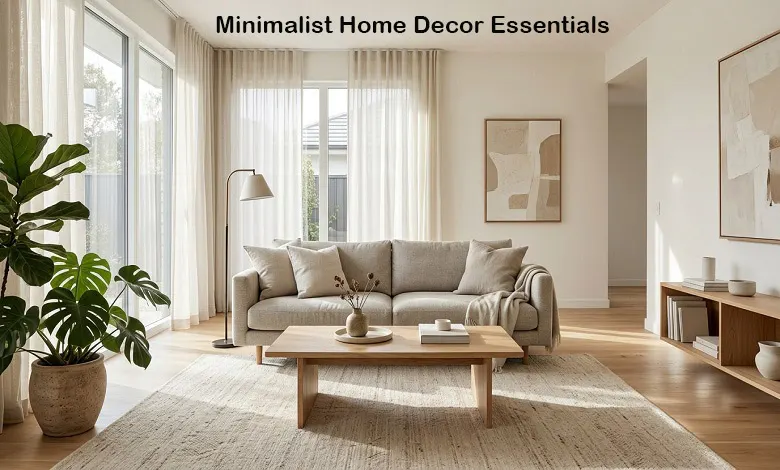
A beautiful home does not have to be filled with furniture and decorations. Sometimes, fewer carefully selected pieces can create a space that feels more comfortable, organised, and inviting. Minimalist interior design follows this simple idea by focusing on functionality, clean lines, open space, and thoughtful decoration.
Creating this style is not about making your home look empty. It is about choosing things that add value to the room while removing unnecessary visual clutter. The right furniture, lighting, textiles, storage solutions, and natural elements can give your home a calm and modern character.
If you are planning to simplify your interior, understanding the right minimalist home decor essentials can make the process much easier. You can start with a few practical changes and gradually build a space that reflects your personality without becoming overcrowded.
What Is Minimalist Home Decor?
Minimalist home decor is an approach to interior design that prioritizes simplicity and purpose. Instead of decorating every available surface, the focus is placed on a smaller number of useful and visually balanced items.
Neutral colours are often associated with this style, including white, cream, beige, grey, and natural wood tones. However, minimalism does not require you to avoid colour completely. A carefully selected accent colour can add personality without overwhelming the room.
The most important principle is intentionality. Before bringing something into your home, consider whether it is useful, meaningful, or genuinely improves the space.
Why Is Minimalist Decor So Popular?
Modern homes often have limited space, while busy lifestyles can make maintaining a clutter-free environment difficult. Minimalist decorating provides a practical way to make rooms feel more organised without sacrificing comfort.
A simpler interior can also make small rooms appear more open. When furniture is carefully arranged and unnecessary objects are removed, there is more visible space and easier movement.
Another benefit is flexibility. Neutral furniture and simple decorative pieces can work with different interior styles, making it easier to update your home in the future.
A Practical Minimalist Home Decor Essentials List
There is no single set of items that every minimalist home needs. Your choices should depend on your space, lifestyle, and personal taste. However, the following items can provide a useful starting point.
1. Simple and Functional Furniture
Furniture should be one of the first things to consider when creating a minimalist interior. Choose pieces with clean shapes and practical functions rather than complicated designs.
A comfortable sofa, simple coffee table, streamlined bed, or uncomplicated dining table can provide the foundation for the room.
Neutral shades such as beige, cream, white, grey, and natural wood are versatile choices. They can also make it easier to introduce small changes later through cushions, rugs, artwork, or plants.
2. Smart Storage Solutions
Good storage is essential when you want to keep your home looking organised. Clutter can quickly make even a well-designed room appear busy.
Look for furniture that provides storage without taking over the room. Storage beds, closed cabinets, baskets, ottomans, and wall-mounted shelves can help keep everyday belongings organised.
Open shelving can also work well, but avoid filling every shelf. A combination of useful objects and empty space usually creates a cleaner appearance.
3. Neutral and Comfortable Textiles
Minimalist rooms should still feel comfortable. Textiles are an easy way to introduce softness and warmth without adding excessive decoration.
Consider simple:
- Area rugs
- Curtains
- Cushion covers
- Blankets
- Bedding
- Table runners
Natural fabrics such as cotton and linen can add subtle texture. You can also combine different textures while keeping the colours within a consistent palette.
For example, a beige sofa with a textured cream blanket and a natural-fibre rug can create depth without making the room feel cluttered.
4. Natural Wood Accents
Wood can prevent a minimalist room from feeling too plain or cold. A wooden coffee table, side table, dining table, shelf, or picture frame can introduce warmth and natural character.
Light wood generally works well with bright interiors, while darker wood can provide contrast in rooms with lighter walls and furniture.
You do not need to use wood everywhere. A few carefully chosen pieces can be enough to create balance.
5. Indoor Plants
Plants are another useful addition to a minimalist home. They introduce natural colour and texture while giving the room a more lively appearance.
A large plant in a simple pot can become a focal point in a living room or bedroom. Smaller plants can be placed on shelves, side tables, or window areas.
Choose plants according to the amount of sunlight available in your room and the level of care you can provide.
6. Soft, Layered Lighting
Lighting has a major influence on how a room feels. A minimalist interior can benefit from several simple light sources rather than relying on one strong ceiling fixture.
A floor lamp beside a sofa, a table lamp on a console, or a simple pendant light above a dining table can provide both function and visual interest.
Warm lighting can make neutral interiors feel more relaxing, especially in the evening. During the day, make the most of natural light by keeping windows relatively clear.
7. Simple Wall Art
Minimalist decorating does not mean that walls have to remain completely empty. Artwork can give a room personality while maintaining a clean appearance.
Consider line drawings, abstract artwork, nature photography, or simple prints that complement the colours already present in the room.
Instead of covering a wall with numerous small frames, you could use one larger artwork as a focal point. The empty wall around it helps the piece stand out.
8. Mirrors
A well-placed mirror can serve both a decorative and practical purpose. It can reflect light and make a room feel more open.
Large mirrors with uncomplicated frames are particularly useful in smaller bedrooms, hallways, living rooms, and dining areas.
Choose a frame that complements the rest of your interior. Wood, black, white, or frameless designs can work well in many minimalist settings.
9. A Consistent Colour Palette
Colour can determine whether a room feels peaceful or visually overwhelming. A restrained colour palette can help create the calm atmosphere associated with minimalist interiors.
You might start with two or three primary shades and add small variations through furniture and accessories.
For example, cream walls, light wood furniture, beige textiles, and muted green accents can create a natural look.
If you prefer stronger colours, use them selectively. A single colourful artwork or accent chair can be more effective than introducing bright colours throughout the entire room.
10. Meaningful Decorative Pieces
Decorations still have a place in minimalist interiors. The difference is that each item should have a reason for being there.
A favourite photograph, handmade ceramic vase, travel souvenir, small sculpture, or collection of books can make the space feel personal.
Rather than displaying everything you own, select a few pieces that have meaning or contribute to the room’s overall appearance.
How to Create a Minimalist Living Room
The living room is often the centre of the home, so it is a good place to begin.
Start by looking at your existing furniture and removing anything that is rarely used. Arrange the remaining pieces so that there is comfortable space for movement.
A simple sofa, coffee table, rug, floor lamp, and one or two decorative elements may be enough to create a balanced setting.
Avoid filling the coffee table with too many objects. A small plant, book, or decorative tray can provide enough detail.
Minimalist Bedroom Ideas
A bedroom should feel peaceful and comfortable. Start with a simple bed frame and neutral bedding, then introduce a few useful pieces such as bedside tables and soft lighting.
Keep bedside surfaces relatively clear. A lamp, book, or small decorative item may be all you need.
Soft fabrics can make the room feel more inviting. Linen curtains, cotton bedding, and a subtle rug can add texture while maintaining the clean aesthetic.
Minimalist Kitchen Essentials
The kitchen can be challenging because many everyday items need to remain accessible. However, careful organisation can make a major difference.
Keep frequently used appliances available while storing less-used equipment in cabinets. Use matching containers where appropriate and avoid covering every countertop with decorative objects.
Simple cabinet handles, open shelving, natural materials, and a restrained colour scheme can also contribute to the overall look.
How to Keep a Minimalist Home Organised
Creating a minimalist home is only the beginning. Maintaining it requires a few simple habits.
Before buying something new, consider where it will be stored and whether you already own something that serves the same purpose.
Regularly review drawers, cupboards, shelves, and storage areas. Items that are broken, unused, or no longer meaningful can often be removed or donated.
Another useful habit is returning things to their proper place after use. Small routines can prevent clutter from building up again.
One Minimalist Home Decor Essential That Often Gets Overlooked
Among all the furniture and accessories people consider, empty space itself is often overlooked.
You do not need to fill every corner of a room. Leaving space around furniture and decorative pieces allows the eye to rest and helps individual elements become more noticeable.
This is one of the reasons minimalist interiors can feel calm. The design is not only about what you add; it is also about what you deliberately leave out.
How to Avoid Making Your Home Look Too Plain
Minimalism and blandness are not the same thing. A room can be simple while still having plenty of character.
Use different textures to create visual interest. Combine smooth furniture with woven fabrics, natural wood, ceramic pieces, or soft rugs.
You can also introduce personality through artwork, plants, books, photographs, and small decorative objects.
The goal is to create balance rather than remove everything that makes the home feel personal.
Final Thoughts
Creating a calm and stylish home does not require a complete interior makeover. Small, intentional changes can have a noticeable effect. Start by reducing unnecessary clutter, selecting functional furniture, improving storage, and introducing natural materials and comfortable textiles.
A useful minimalist home decor essentials list can help you identify what your room actually needs before you start shopping. More importantly, remember that there is no universal formula for minimalist decorating. The best space is one that combines simplicity with your own lifestyle and personality.
Whether you are updating a single room or redesigning your entire home, focus on quality, functionality, comfort, and balance. Even one carefully chosen minimalist home decor essential can make a room feel more organised when it fits naturally into the overall design.
FAQs
Q: What are minimalist home decor essentials?
A. Minimalist home decor essentials are simple, functional items such as practical furniture, neutral textiles, smart storage, lighting, plants, mirrors, and selected decorative pieces.
Q: How can I make my home look minimalist?
A. Start by removing unnecessary clutter, choosing functional furniture, keeping a simple colour palette, and leaving enough open space around your belongings.
Q: What colours work best for minimalist home decor?
A. White, cream, beige, grey, soft brown, and natural wood tones are popular choices. Small amounts of muted or contrasting colours can also add personality.
Q: Can minimalist decor work in a small home?
A. Yes. Minimalist design can work particularly well in smaller spaces because it focuses on practical furniture, organised storage, and reducing visual clutter.
Q: Does minimalist home decor have to be expensive?
A. No. You can create a minimalist look by reorganising what you already own, reducing clutter, and adding only a few carefully selected pieces.
Q: How do I make minimalist decor feel warm and comfortable?
A. Use natural wood, soft rugs, textured fabrics, warm lighting, plants, and personal items to add warmth without creating a crowded appearance.