
 By Mustafizur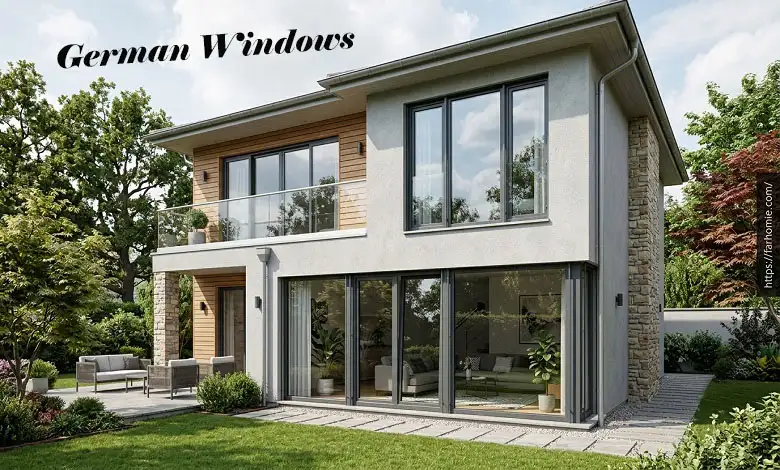
Windows are an important part of any building because they influence natural light, ventilation, insulation, security, noise control, and overall appearance. Among the many window systems available today, German windows have gained attention for their engineering, precision hardware, modern opening mechanisms, and emphasis on energy efficiency.
German window technology is not limited to one frame material or architectural style. Modern systems are available in uPVC, aluminium, timber, and composite materials, with options ranging from traditional designs to contemporary large-glazed units. One of the most recognizable features is the tilt-and-turn mechanism, which allows a window to open in two different ways.
For homeowners, architects, and builders considering German made windows, understanding the technology behind the product is more useful than choosing a window simply because it carries a particular label. Frame construction, glazing, seals, hardware, thermal performance, security, installation, and climate suitability all contribute to the performance of the finished window.
What Are German Windows?
German windows generally refer to window systems manufactured in Germany or developed according to German and wider European window engineering principles. They are often recognized for precise hardware, multi-point locking systems, multiple sealing layers, insulated profiles, and versatile opening configurations.
One of their most recognizable characteristics is the tilt-and-turn design. Unlike a basic window that may only open outward or inward, a tilt-and-turn window can usually tilt inward from the top for ventilation or open inward from the side for greater airflow and access. This makes the system particularly practical for bedrooms, kitchens, living rooms, and other spaces where flexible ventilation is desirable.
The term “German windows” does not automatically indicate a specific frame material. They can be manufactured from uPVC, aluminium, timber, or combinations of these materials. The appropriate choice depends on the building’s architectural style, climate, budget, maintenance requirements, and desired thermal and acoustic performance.
What Makes German Made Windows Different?
People searching for German made windows are often interested in manufacturing quality, reliable hardware, energy performance, and long-term durability. German window manufacturing has a strong reputation for engineering precision, but buyers should still examine the technical specifications of individual products rather than assuming that every product marketed as German will have identical performance.
Modern systems can include sophisticated locking hardware, high-quality weather seals, insulated frame profiles, double or triple glazing, and reinforced concrete. These features are designed to improve comfort and protect the interior from drafts, rain, noise, and unwanted heat transfer.
The manufacturing location is therefore only one factor to consider. A high-quality window should also have documented performance characteristics, appropriate glazing, reliable hardware, professional installation, and a warranty that provides meaningful support. Comparing these details gives homeowners a much clearer understanding of the actual value of the product.
German Tilt-and-Turn Windows Explained
The tilt-and-turn mechanism is one of the defining characteristics of many modern European window systems. It gives homeowners two opening positions from a single window.
In the tilt position, the upper portion of the sash moves inward while the lower section remains connected to the frame. This creates a smaller opening that can provide ventilation without completely opening the window. It can be useful when occupants want airflow while maintaining a greater degree of separation from outdoor conditions.
In the turn position, the sash opens inward from the side, creating a much larger opening. This can provide stronger airflow and make it easier to clean the exterior glass from inside the property in many installations.
The dual-function design is particularly useful in multi-story buildings, where exterior window cleaning can otherwise be difficult. It also provides more control over everyday ventilation than many traditional single-function window designs.
Energy Efficiency of German Windows
Energy efficiency is one of the main reasons homeowners consider modern German-style window systems. Windows form part of the building envelope, so their performance can influence heating and cooling requirements throughout the year.
A window’s thermal performance depends on several components working together. The frame profile, glazing, spacer, seals, and installation all affect how much heat passes through the window assembly. Modern profiles may contain multiple chambers or thermal-break technologies designed to reduce heat transfer through the frame.
Glazing is equally important. Double-glazed units can provide substantially better insulation than older single-glazed windows, while triple glazing may offer additional thermal performance where the building design and climate make it appropriate.
When comparing energy-efficient windows, homeowners should look for measurable specifications such as U-values and whole-window performance rather than relying only on phrases such as “energy saving” or “German quality.”
Materials Used in German Windows
German window systems are available in several materials, and each offers different advantages. Choosing the right material should depend on the property’s architectural requirements, climate, budget, and maintenance expectations.
uPVC is popular because it generally requires relatively little maintenance and can provide good thermal performance. Modern profiles can incorporate multiple chambers and reinforced sections to improve insulation and stability.
Aluminium is valued for its strength, durability, and clean contemporary appearance. Thermally improved aluminium systems can support large glazed areas while reducing heat transfer through the frame.
Timber provides a natural appearance and can work particularly well in traditional homes or properties where natural materials are important. Properly finished timber requires periodic maintenance to protect it from weather exposure.
Composite systems combine different materials to take advantage of their individual properties. For example, a timber interior can provide a warm appearance while an exterior aluminium layer offers additional weather protection.
German Windows and Doors for Modern Homes
German windows and doors can be designed as part of one coordinated building-envelope system. Using compatible profiles, colors, glazing, and hardware can create a consistent architectural appearance throughout a home.
A modern property might combine tilt-and-turn windows in bedrooms with large fixed glazing in living areas and sliding or hinged patio doors leading to a garden or terrace. This allows each opening to serve a specific purpose rather than forcing every room to use the same type of window.
Large glazed doors can create a strong connection between indoor and outdoor areas, while smaller tilt-and-turn windows provide controlled ventilation. Coordinating the systems can also make it easier to achieve consistent thermal, weather, and security performance across the building.
For renovation projects, matching the window and door finishes can help create a cohesive appearance without requiring major changes to the rest of the property’s exterior.
Security Features of German Windows
Window security depends on the frame, glass, hardware, locking points, installation, and surrounding building structure. Modern German window systems can incorporate several features designed to make unauthorized opening more difficult.
Multi-point locking systems can secure the sash at several locations around the frame rather than relying on a single central lock. Reinforced profiles and strong hinges can provide additional resistance to forced movement.
Security glazing can also be considered. Laminated glass contains an interlayer that helps hold the glass together if it breaks and can provide additional resistance compared with ordinary glass.
Lockable handles, opening sensors, reinforced hardware, and external shutters can provide additional layers of protection depending on the property.
For buyers who have specific security requirements, it is better to look for independently tested security classifications and documented performance than to rely on general claims about a window being “secure.”
Weather Resistance and German Window Performance
A high-quality window must protect the interior from more than temperature changes. It also needs to deal with wind, rain, humidity, and air movement.
Window systems are commonly evaluated for characteristics such as air permeability, watertightness, and resistance to wind loads. These characteristics become particularly important in coastal locations, exposed properties, and regions that experience heavy rainfall or strong winds.
The frame and glazing are only part of the equation. The connection between the window and the surrounding wall must also be properly sealed and insulated. Poor installation can allow drafts or moisture to enter around the frame even when the window itself has excellent laboratory performance.
For this reason, the installation method should be considered when selecting German windows rather than treating the window as an isolated product.
German Windows for Different Architectural Styles
German window technology can work with both contemporary and traditional architecture. The final appearance depends on the frame material, proportions, glazing pattern, color, hardware, and surrounding building design.
Modern homes often benefit from slim aluminium profiles, large glazed areas, minimal sightlines, and dark or neutral frame finishes. These combinations can emphasize clean architectural lines and maximize views.
Traditional properties may be better suited to timber profiles, wood-effect finishes, divided-light glazing, and more conventional frame proportions. The goal is to improve performance without making the replacement windows look disconnected from the original building.
This flexibility means German window systems should not be considered a single architectural style. Instead, they provide a range of technologies that can be adapted to different types of properties.
Glazing Options for German Windows
The glass specification has a major influence on the performance and comfort of a window. Homeowners should therefore consider glazing at the same time as the frame rather than selecting the frame first and treating the glass as an afterthought.
Double glazing uses two panes separated by an insulating cavity, while triple glazing adds a third pane and another insulating space. Depending on the configuration, glazing can also be selected for solar control, sound reduction, privacy, safety, or security.
Laminated glass can be useful where safety or security is important. Acoustic glazing may be appropriate for homes near busy roads, airports, or other sources of noise.
Low-emissivity coatings can also improve thermal performance by reducing radiant heat transfer through the glass.
The ideal glazing specification depends on the property’s orientation, climate, noise environment, security requirements, and energy goals.
Maintenance Requirements
One of the benefits of modern window systems is that routine maintenance can generally be manageable when the correct material is selected.
uPVC requires regular cleaning and periodic inspection of seals and hardware. Aluminium is also relatively low maintenance, particularly when it has a durable factory-applied finish.
Timber windows require more attention because painted or finished surfaces may eventually need repair or refinishing, especially in exposed locations.
Regardless of frame material, moving hardware should be checked periodically. Hinges, locking points, handles, and seals can require adjustment or replacement over time.
Cleaning drainage channels is also important because blocked drainage paths can interfere with the window’s ability to remove water safely.
Good maintenance does not eliminate aging, but it can help preserve operation, appearance, weather resistance, and service life.
Installation Is Critical to Window Performance
Even the best German made windows can perform poorly if they are installed incorrectly. The connection between the window frame and the building wall is an important part of the overall system.
Installation should provide appropriate structural support while also managing air leakage, water penetration, insulation, and movement between different building materials.
The installer needs to position the frame correctly, secure it according to the manufacturer’s requirements, seal the perimeter, and ensure that drainage paths remain functional.
Poor installation can result in drafts, water leakage, condensation, difficult operation, or reduced energy performance.
For a new-build or major renovation, it is therefore worth choosing an installer who understands the specific window system and follows the manufacturer’s installation requirements rather than treating all window products as interchangeable.
Choosing German Windows for Your Home
Selecting the right window starts with understanding the building rather than choosing a product based only on appearance.
Consider the local climate, the direction each window faces, desired ventilation, privacy, security, noise levels, maintenance preferences, and available budget.
A south- or west-facing window may have different solar-control requirements from a north-facing opening. A bedroom near a busy road may benefit from acoustic glazing, while a bathroom may require privacy glass.
Frame material should also be considered. uPVC may be attractive for low maintenance, aluminium for contemporary designs and large openings, and timber for traditional architecture.
The best choice is therefore the window system that meets the building’s actual requirements rather than simply the most expensive or visually impressive option.
German Windows vs. Standard Window Systems
German windows are sometimes marketed as inherently superior to other window systems, but the comparison is more complicated than that.
Modern window technology is available from manufacturers around the world, and high-performing products can be found in many markets. What makes German systems particularly recognizable is the combination of European opening styles, sophisticated hardware, multi-point locking, profile engineering, and detailed product specifications.
A well-designed window from another country can also provide excellent thermal, acoustic, security, and weather performance.
For homeowners, the better approach is to compare measurable specifications, warranties, materials, installation quality, and long-term support instead of making the decision based solely on country of origin.
Are German Windows Worth the Investment?
For the right project, German windows can be a worthwhile long-term investment. Their combination of flexible opening mechanisms, modern glazing, advanced hardware, and frame options can provide meaningful benefits in comfort and everyday usability.
However, premium windows can have a higher initial purchase price than basic alternatives. The decision should therefore consider the entire lifecycle rather than only the upfront cost.
A quality window can contribute to better thermal comfort, improved ventilation, reduced drafts, enhanced security, and lower maintenance requirements. These benefits can become more valuable over many years of use.
Before purchasing, request detailed specifications, installation information, warranty terms, and performance data. Comparing several products on the same criteria makes it easier to determine whether the additional investment is justified for your particular building.
Final Thoughts
German windows have become popular because they combine practical opening systems with modern engineering, flexible materials, sophisticated hardware, and a strong focus on building performance. The tilt-and-turn mechanism is particularly useful because it provides both controlled ventilation and a wide opening within the same unit.
For homeowners researching German made windows, however, the most important step is to look beyond the label. Frame construction, glazing, U-values, weather resistance, security, installation, warranty, and maintenance requirements should all be compared before making a decision.
The same applies when selecting German windows and doors for a complete property. Matching the systems can provide a consistent appearance while allowing different rooms to benefit from different opening and glazing configurations.
When correctly specified and professionally installed, a high-quality European window system can improve comfort, natural light, ventilation, security, and the overall appearance of a home. The best choice is ultimately the one that matches the building, climate, lifestyle, and long-term performance requirements.
Frequently Asked Questions
Q: What are German windows?
A. German windows are window systems manufactured in Germany or designed according to German and European window engineering principles. They are commonly associated with tilt-and-turn opening mechanisms, multi-point locking systems, insulated profiles, quality seals, and customizable glazing options.
Q: What makes German made windows popular?
A. German made windows are popular because many systems emphasize precision engineering, advanced hardware, thermal performance, weather resistance, and flexible design. However, the actual performance depends on the specific manufacturer, product specification, glazing, and installation quality.
Q: What is a German tilt-and-turn window?
A. A tilt-and-turn window can operate in two ways. It can tilt inward from the top to provide controlled ventilation or open inward from the side to provide a larger opening. This makes the design versatile for ventilation and everyday use.
Q: Are German windows energy efficient?
A. They can provide excellent thermal performance when the frame, glazing, seals, and installation are appropriately specified. Energy efficiency should be assessed using measurable performance data rather than relying only on the product’s country of manufacture.
Q: Can German windows and doors be customized?
A. Yes. Depending on the manufacturer, German windows and doors can be customized using different frame materials, colours, glazing options, sizes, opening configurations, hardware, and security features.