
 By Bapi Mondal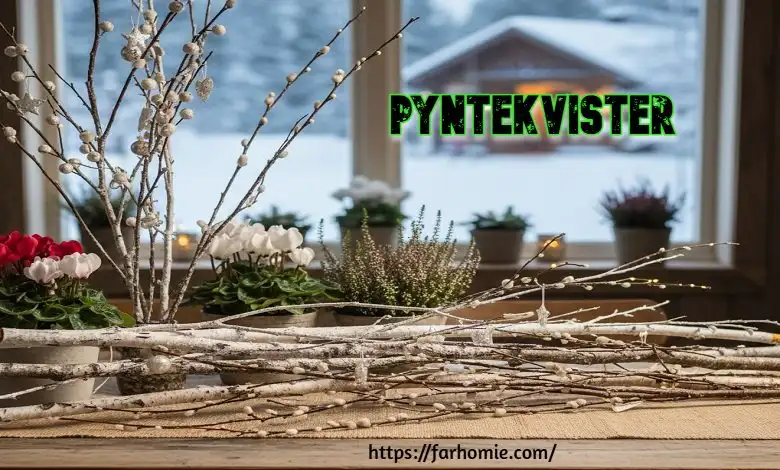
Walk into a thoughtfully styled home today, and you might notice something subtle but powerful sitting in a corner vase or stretching across a dining table—slender branches, twisting stems, or dried twigs arranged like a quiet piece of art. These are often called pyntekvister, a Scandinavian-inspired term for decorative branches used in interior design.
At first glance, pyntekvister seems almost too simple. They’re just twigs, right? But spend a little time with them, and you’ll start to notice how much atmosphere they carry. They soften sharp edges, warm minimal rooms, and bring a hint of the outdoors inside—without turning your living space into a greenhouse.
This rewritten guide explores what pyntekvister really are, why they work so beautifully in modern homes, and how you can style decorative twigs in your own space without making things feel forced or cluttered.
What Are Pyntekvister, really?
The word pyntekvister comes from Nordic design culture, where natural elements have always played a starring role indoors. Loosely translated, it means decorative branches or twigs used for styling rather than gardening.
You’ll find them in many forms, including:
- Natural branches gathered outdoors
- Dried stems from décor or craft shops
- Artificial twigs made to look realistic
- Painted or whitewashed branches for modern spaces
Some are bare and sculptural, others feature seed pods, subtle leaves, or soft blossoms. Think of pyntekvister as the quieter cousin of a bouquet. They don’t demand attention. Instead, they sit calmly in the background, shaping the mood of a room.
Why Decorative Twigs Fit So Well in Modern Interiors
Modern homes often lean toward clean layouts, neutral palettes, and straight-lined furniture. While that creates calm, it can also feel slightly empty. Pyntekvister brings in something organic that balances those crisp surfaces.
Their irregular curves contrast with flat walls and boxy sofas. It’s a bit like letting a piece of wilderness wander into your living room and settle comfortably by the window.
They’re also wonderfully timeless. Trendy cushions or lamps may feel outdated after a year, but decorative twigs stay relevant because they’re rooted—literally—in nature. That’s why you see them everywhere, from Scandinavian apartments to minimalist lofts in major cities
The Emotional Pull of Natural Elements
There’s something deeply soothing about natural materials. Wood, stone, linen, and clay all slow the mood of a space, even if we don’t consciously notice it. Pyntekvister tap into that same instinct.
A tall branch near a window can remind you of a forest walk. A small cluster of twigs on a shelf might spark memories of childhood afternoons collecting sticks. These tiny emotional connections matter more than we often admit.
Designers sometimes call this biophilic design—a fancy term for bringing nature indoors so spaces feel healthier and calmer. Decorative branches are one of the easiest, lowest-maintenance ways to achieve that effect.
Natural vs. Artificial Pyntekvister
Before styling anything, it helps to decide what kind of pyntekvister you want to use. Both natural and artificial options have their place, depending on lifestyle and taste.
Natural vs Artificial Pyntekvister
| Feature | Natural Decorative Twigs | Artificial Decorative Twigs |
| Appearance | Authentic texture and scent | Polished and consistent |
| Maintenance | Can shed or attract insects if untreated | Easy to dust and clean |
| Longevity | May become brittle over time | Long-lasting |
| Cost | Often free or low-cost | Higher upfront |
| Best For | Rustic or organic interiors | Busy homes or rentals |
Many people mix the two—using a real branch as the main structure and slipping in a few faux stems for fullness. It’s similar to combining fresh and dried flowers in one arrangement: practical and visually convincing.
Choosing the Right Decorative Twigs for Your Space
Not every branch suits every room. Scale, colour, and shape all play quiet but important roles.
When selecting pyntekvister, keep these points in mind:
- Room size:
Tall ceilings suit dramatic floor-vase arrangements, while small apartments benefit from slimmer, tabletop displays. - Colour tone:
Pale wood fits airy homes, dark branches suit industrial spaces, and warm hues pair well with cozy interiors. - Shape and texture:
Twisted branches act as sculptural focal points, while straight stems feel calm and orderly.
These details don’t shout, but they shape how natural—or awkward—the final look feels.
Where to Place Pyntekvister in Your Home
Living Rooms
This is the most common home for decorative twigs. A tall vase near the sofa or window adds height, while smaller arrangements on sideboards or coffee tables feel intentional when paired with books or ceramics.
Dining Areas
Twig arrangements make elegant centrepieces that don’t block conversation. In open-plan homes, they can even act as subtle visual dividers between dining and lounging zones.
Entryways and Hallways
First impressions matter. A slim console table with decorative branches sets a calm, stylish tone the moment someone walks in. Keep arrangements airy, so narrow walkways don’t feel crowded.
Bedrooms
Less is more here. A modest cluster of pyntekvister on a dresser adds softness without visual noise. Gentle shapes and muted tones encourage rest.
Bathrooms
Surprisingly effective, a single branch in a stoneware vase can make a bathroom feel spa-like. Just choose materials that tolerate humidity if you’re working with real wood.
Styling Techniques That Actually Work
Great styling often looks effortless—even if you moved things around five times.
Helpful principles include:
- Letting branches lean instead of standing perfectly straight
- Mixing different heights
- Choosing a vase that complements rather than competes
- Leaving breathing room around the arrangement
Tall glass cylinders feel light and modern, ceramic vessels add warmth, and metal vases introduce a contemporary edge. A good rule is simple container plus interesting branches—or the reverse.
Decorative twigs also pair nicely with dried grasses or eucalyptus stems, as long as you avoid overcrowding. Pyntekvister should lead the scene, not fight for attention.
Seasonal Ways to Use Pyntekvister
One reason decorative branches stay popular is how easily they adapt throughout the year.
- Spring welcomes budding twigs or faux blossoms.
- Summer looks beautiful with pale branches in clear glass.
- Autumn suits darker stems and seed pods.
- Winter favours bare branches paired with soft lighting or fairy lights.
It’s like giving your home a seasonal wardrobe without buying new furniture.
DIY: Creating Your Own Pyntekvister Display
You don’t need a design degree—or a big budget—to create something lovely.
If you collect branches outdoors:
- Choose dry, pest-free pieces
- Let them air-dry for a week or two
- Trim uneven ends
- Test the arrangement on the floor before placing it in a vase
Some people paint or whitewash twigs for a modern edge. Others leave them raw and crooked, which often feels more honest and charming.
Common Mistakes to Avoid
Even simple décor can go wrong.
Watch out for:
- Overcrowding small rooms
- Blocking doorways or walkways
- Letting dust build up
- Using cheap-looking plastic branches
A quick weekly wipe keeps things fresh, and removing one or two stems often solves an arrangement that feels too busy.
Pyntekvister Compared to Other Natural Décor
Decorative twigs aren’t the only nature-inspired option in today’s interiors.
Pyntekvister vs Other Décor Trends
| Décor Type | Maintenance | Visual Impact | Best Use |
| Pyntekvister | Low | Subtle and sculptural | Corners, consoles |
| Houseplants | Medium–High | Fresh and lively | Windowsills |
| Pampas Grass | Low | Bold statement | Feature spots |
| Dried Flowers | Low–Medium | Romantic | Shelves, tables |
Think of pyntekvister as seasoning rather than the main dish—quietly elevating everything else.
Real-World Inspiration from Designers and Homes
Stylists love decorative twigs because they photograph beautifully. Their shadows, organic lines, and soft textures add depth to images.
In Scandinavian homes, you’ll often see a single tall branch in a ceramic pot by the window. Urban lofts favour darker twigs against concrete walls. Country houses usually mix them with dried florals or seasonal greenery.
That versatility is what keeps pyntekvister relevant across styles.
Final Thoughts: Let Your Home Breathe
Pyntekvister may seem humble, but that’s exactly their strength. These decorative twigs don’t compete with furniture or shout for attention. They slip gently into a space, making it feel more human.
Whether it’s a single branch in the bathroom or a dramatic floor arrangement in the living room, the result is the same: texture, warmth, and a soft nod to nature.
Sometimes, the smallest details—the crooked branch in a quiet vase—are what finally make a house feel like home.
FAQs:
Q: What does pyntekvister mean?
A: It refers to decorative branches or twigs used for interior styling.
Q: Are pyntekvister better than flowers?
A: They last longer and feel subtler, though flowers bring colour and scent.
Q: Can I collect branches myself?
A: Yes—dry them properly and clean them first.
Q: Where should I place decorative twigs?
A: Living rooms, entryways, dining tables, and bathrooms all work well.
Q: Do artificial pyntekvister look real?
A: High-quality ones often do, especially when mixed with natural pieces.